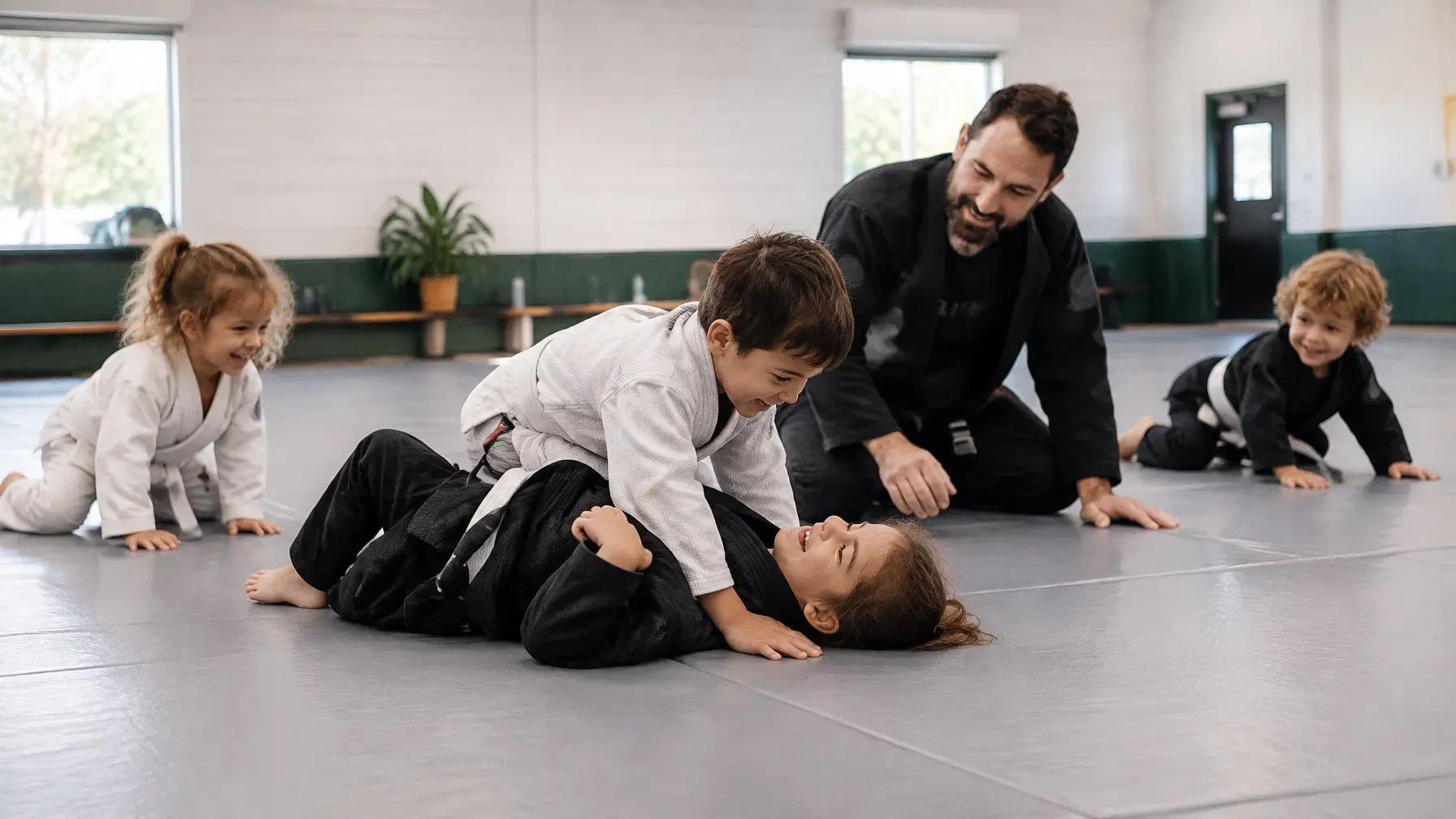
If you are looking into kids jiu jitsu classes, you may be wondering whether your child is ready. Maybe they have lots of energy and love to climb, roll, and play. Maybe they are shy in new groups. Maybe you are interested in martial arts for kids, but you are not sure what the first class will be like.
These are common questions for parents. The good news is that there is no single “perfect” age to begin Brazilian Jiu-Jitsu. Readiness depends on more than a birthday. Attention span, comfort in a group, ability to listen, coordination, and interest all matter.
At Moxie Jiu Jitsu in New Holland, PA, we welcome children at different stages of development. Our goal is to meet them where they are and help them build from there.
What readiness looks like at any age
Before choosing a class, look for a few basic signs that your child may be ready to try.
They do not need to be especially athletic. They do not need prior martial arts experience. They do not need to know any Jiu-Jitsu techniques.
It helps if your child can:
- Follow simple directions from an adult who is not a parent
- Participate in a group activity for a reasonable amount of time
- Take turns and share space with other children
- Handle gentle, supervised physical contact
- Stop when a coach says “freeze” or “stop”
- Show some curiosity about movement, wrestling, tumbling, or martial arts
These skills develop at different times. One child may be ready at age three, while another may benefit from waiting until four, five, or later. That is completely normal.
A good kids program should make room for that difference. It should offer structure without expecting every child to respond in exactly the same way.
Ages 3–5: A gentle introduction to movement
Is preschool martial arts right for my child?
For many families, preschool martial arts is a child’s first organized physical activity. At this age, a class should feel active, friendly, and manageable. It should not look like a smaller version of an intense adult training session.
The focus for ages 3–5 is usually:
- Balance and coordination
- Safe tumbling and body movement
- Listening and following simple directions
- Taking turns and communicating
- Building comfort in a group
- Learning basic Jiu-Jitsu movements through play
This is what makes martial arts for 3 year olds different from martial arts for older children. A three-year-old is still learning how to participate in a class. The process of listening, waiting, trying again, and working with a coach is part of the lesson.
At Moxie, our specialized ages 3–5 program uses fun exercises and engaging games to introduce age-appropriate movement, focus, coordination, balance, confidence, communication, and foundational techniques. Activities are designed to keep young children involved while helping them learn how to move safely.
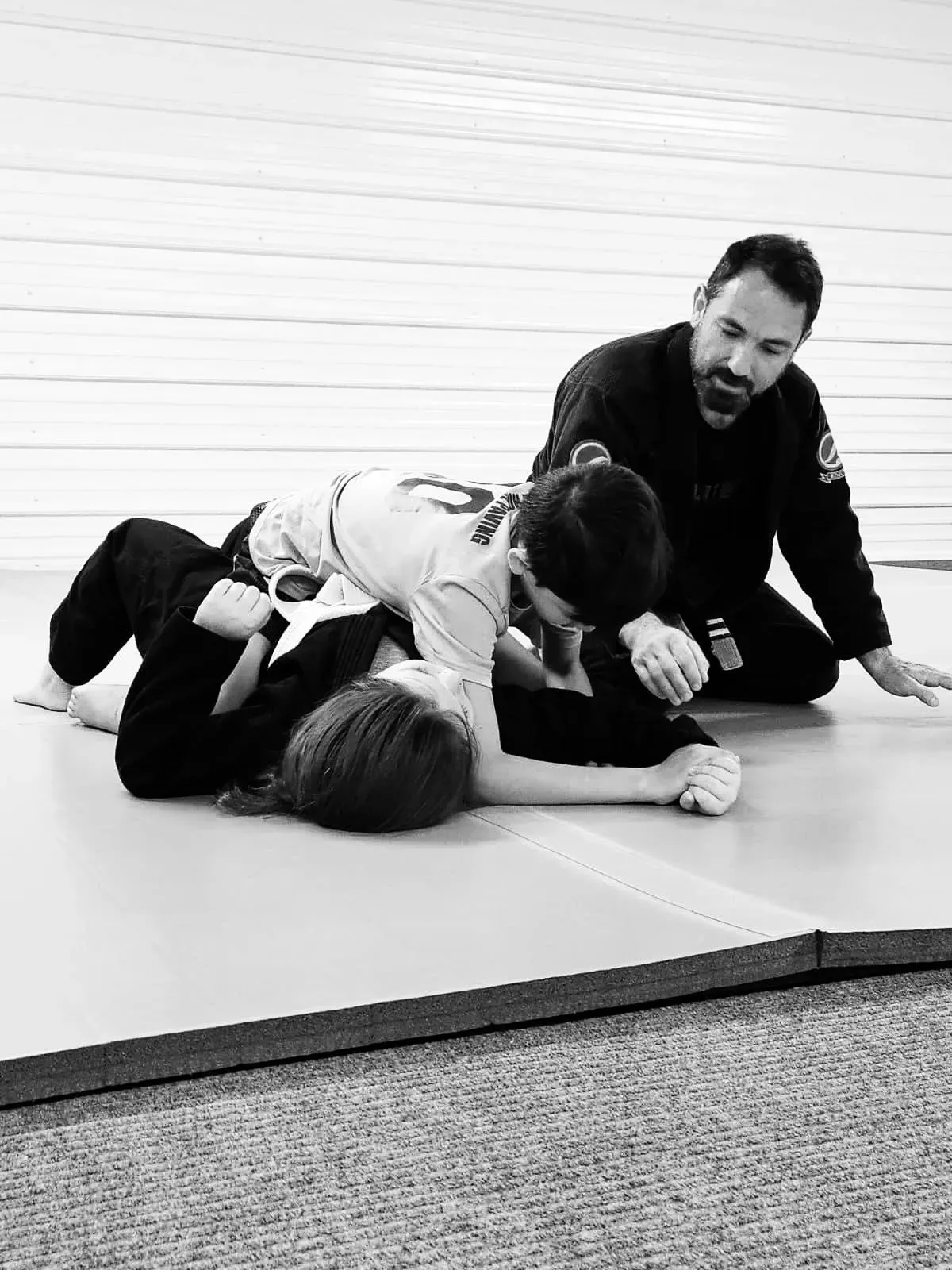
Signs your 3–5-year-old may be ready
Your child may be ready to try a class if they can do most of the following:
- Separate from you for a short group activity
- Follow one- or two-step directions
- Enjoy running, jumping, climbing, tumbling, or rough-and-tumble play
- Stay with an activity for several minutes at a time
- Handle gentle contact without becoming very upset
- Wait briefly for a turn
- Recover from small frustrations with support
They do not need to do all of these perfectly. A coach can help with many of these skills. The most important things are a basic ability to participate and a willingness to try.
What about a shy child or a child who will not listen?
Many parents worry that their child is too shy, too energetic, or too easily distracted. Those concerns are understandable.
A well-run preschool class does not expect a young child to behave like an adult. Coaches use short activities, repetition, simple language, and clear transitions. They redirect children calmly and keep the class moving.
Some children watch during their first class before joining in. Others jump right into the games. Both responses are normal. The purpose of an introductory class is to let your child experience the setting without pressure.
For parents considering jiu jitsu for 5 year olds, this age can be a comfortable bridge between play-based movement and more structured fundamentals. Your child may begin to follow longer instructions, remember simple sequences, and work with a partner for more time.
Ages 6–9: Building a strong foundation
Children ages 6–9 are often ready for more consistent instruction and clearer technique work. They are still learning through games and movement, but they can usually spend more time practicing a specific skill.
A class in this age range may include:
- Basic positions and movements
- Partner drills
- Repeated technique practice
- Cooperative games
- Simple safety rules
- Controlled positional practice when appropriate
At this age, children are learning both how a technique works and how to be a good training partner. They practice listening, controlling their movements, respecting boundaries, and stopping when instructed.
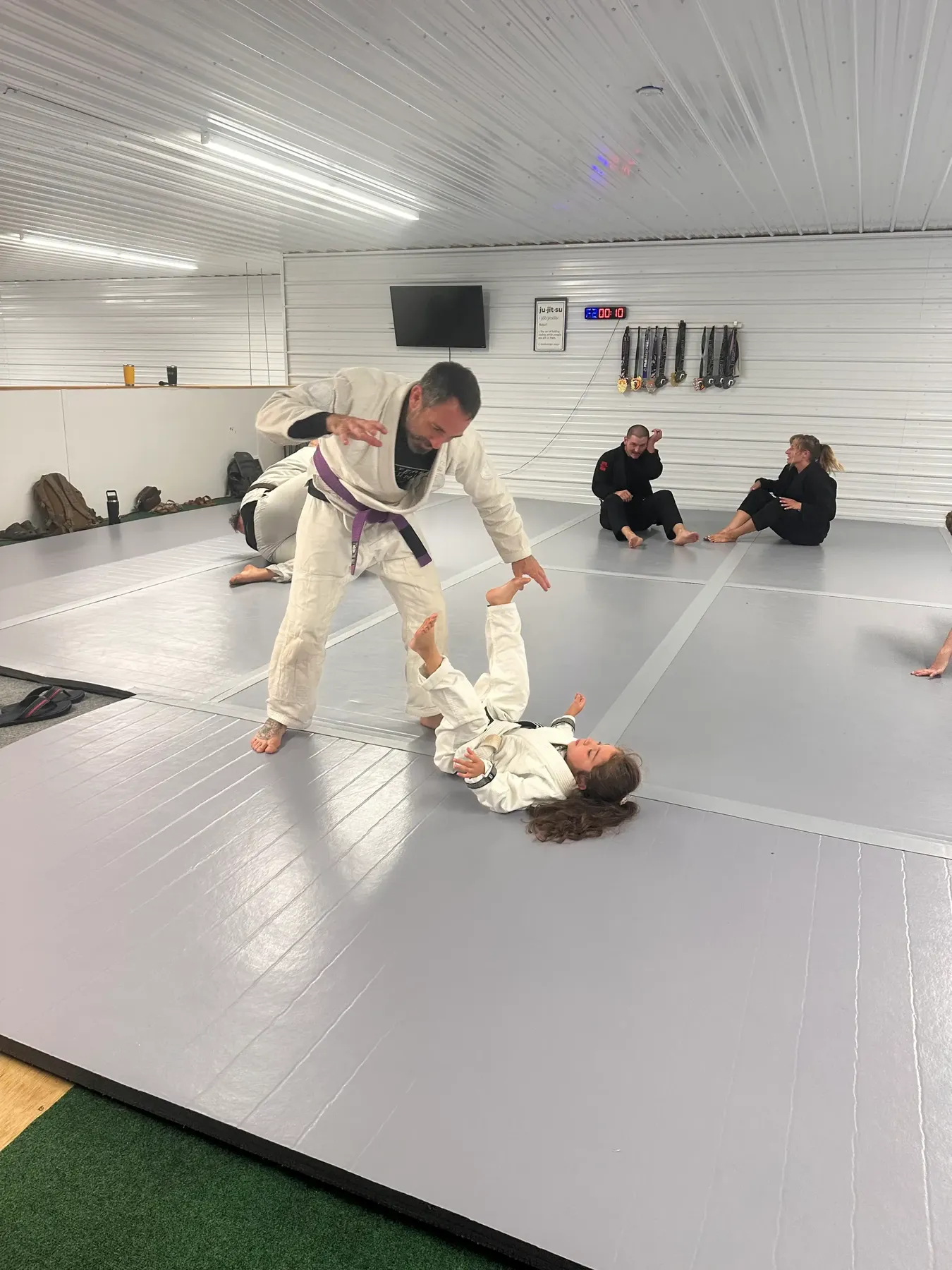
Signs your 6–9-year-old may be ready
Your child may be ready for a fundamentals-based class if they can:
- Follow several steps in order
- Stay engaged in a group activity for much of the class
- Remember simple rules
- Take correction without feeling discouraged
- Work with different partners
- Handle not always being first or “winning”
- Use reasonable control when playing physically
They may still need reminders. That is part of being a child. The coach’s job is to provide consistent expectations and teach children how to meet them.
Parents often worry about their child being the smallest in the room. A responsible academy pays attention to age, size, experience, and temperament when pairing students. Children should learn in a setting where safety and respect matter more than proving who is strongest.
Moxie’s kids curriculum is structured so students can build skills progressively. Lesson plans are designed by 12-time World Champion Caio Terra, giving children a clear foundation while keeping instruction appropriate for their age and experience.
Ages 10+: More responsibility and technical development
Children ages 10 and up can often manage more detailed instruction. They may be ready to connect movements, understand basic strategy, and take greater responsibility for their training habits.
Classes for this age group may include:
- More detailed technique combinations
- Position-specific problem solving
- More structured partner work
- Controlled rounds or positional practice
- Greater emphasis on discipline and training etiquette
Readiness still depends on the individual. A ten-year-old who is new to martial arts should not be expected to train like an experienced teenager. A good coach adjusts the explanation, pace, and level of contact to the student.
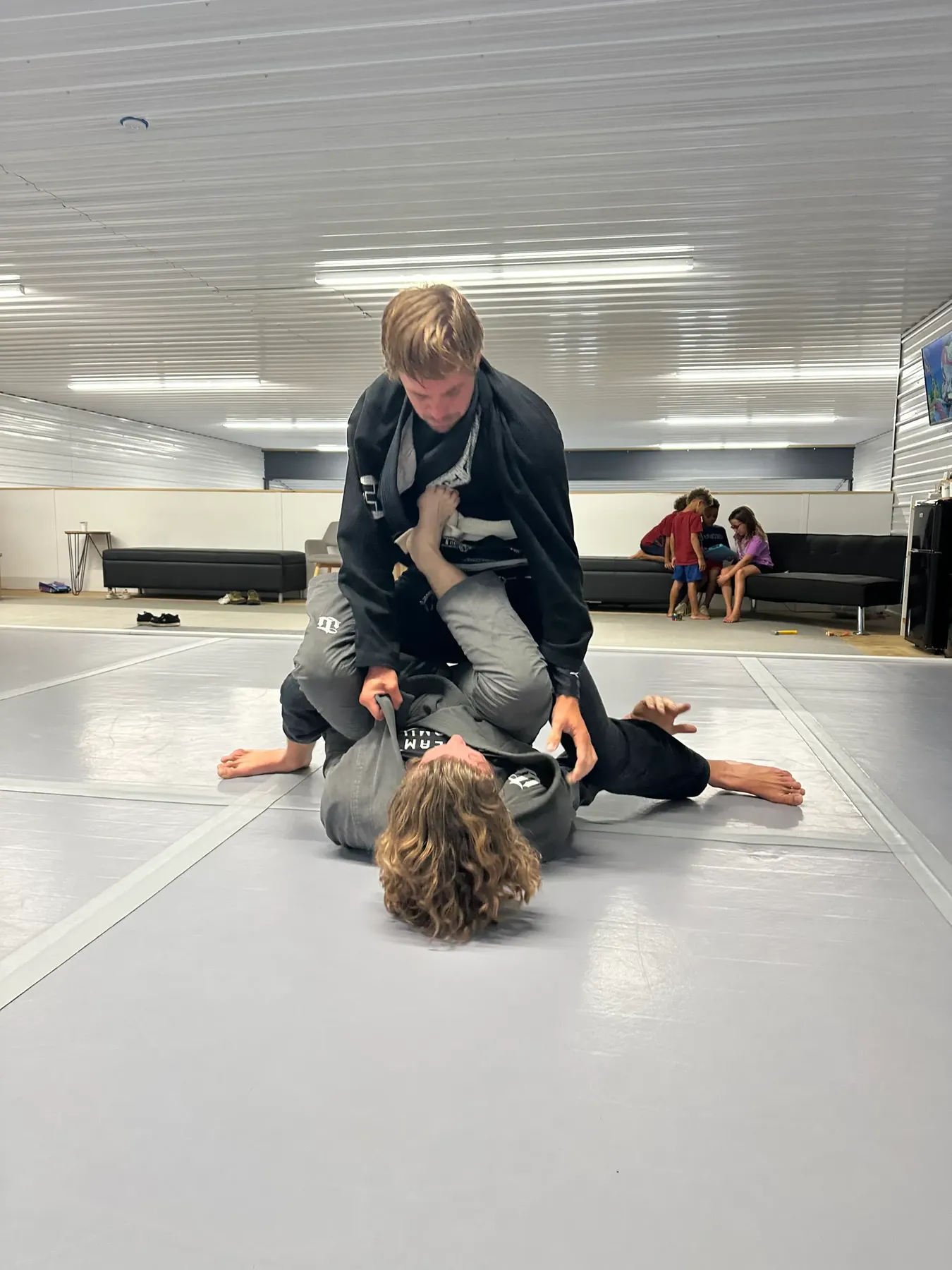
At this age, children are also learning how to respond to frustration. They may have days when a technique feels difficult or another student seems ahead of them. Jiu-Jitsu gives them a practical way to work through those moments: listen, reset, try again, and keep learning.
That process can support confidence and self-discipline without making the class feel like a lecture. Students grow by taking small steps and seeing that improvement comes from consistent effort.
What should parents look for in a kids Jiu-Jitsu program?
Before enrolling, visit the academy or speak with the coaches. Look for:
Age-appropriate instruction
A three-year-old and a twelve-year-old should not be taught in exactly the same way. Ask how the program changes for different age groups.
Clear safety expectations
Children should learn to stop when asked, respect personal boundaries, and use controlled movements. Coaches should actively supervise partner work.
A structured but welcoming class
Structure helps children know what to expect. Warmth helps them feel comfortable enough to participate. You want both.
A focus on development, not pressure
A child’s progress should not be measured only by competition results. Listening, coordination, confidence, persistence, and respect are meaningful accomplishments too.
An easy way to try it first
It is reasonable to want to see how your child responds before making a long-term commitment. At Moxie, families can start with two free introductory classes. This gives your child time to experience the academy and gives you a chance to see whether the environment feels like a good fit.
Is your child ready to try?
If your child is curious, able to participate in a group with support, and willing to try something new, they may be ready for Jiu-Jitsu. If they are not quite there yet, waiting a few months is okay. Readiness is not a race.
Moxie Jiu Jitsu offers kids classes for families in New Holland and nearby communities, with instruction designed for different ages and experience levels. You can learn more about the kids program, explore available programs, or get started with two free classes.
Bring your questions, let your child try the class, and see how they feel on the mats. We would be happy to welcome your family to Moxie.